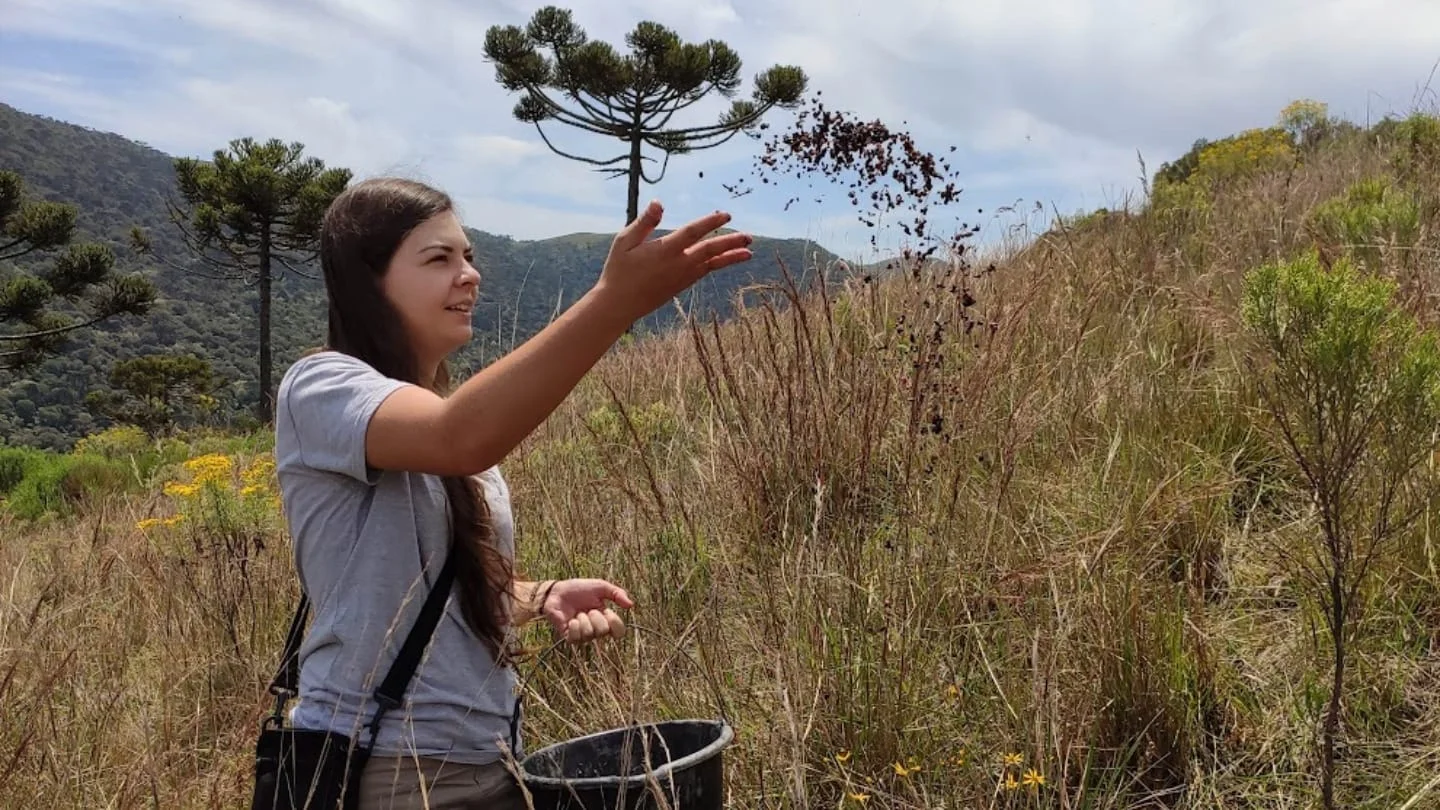
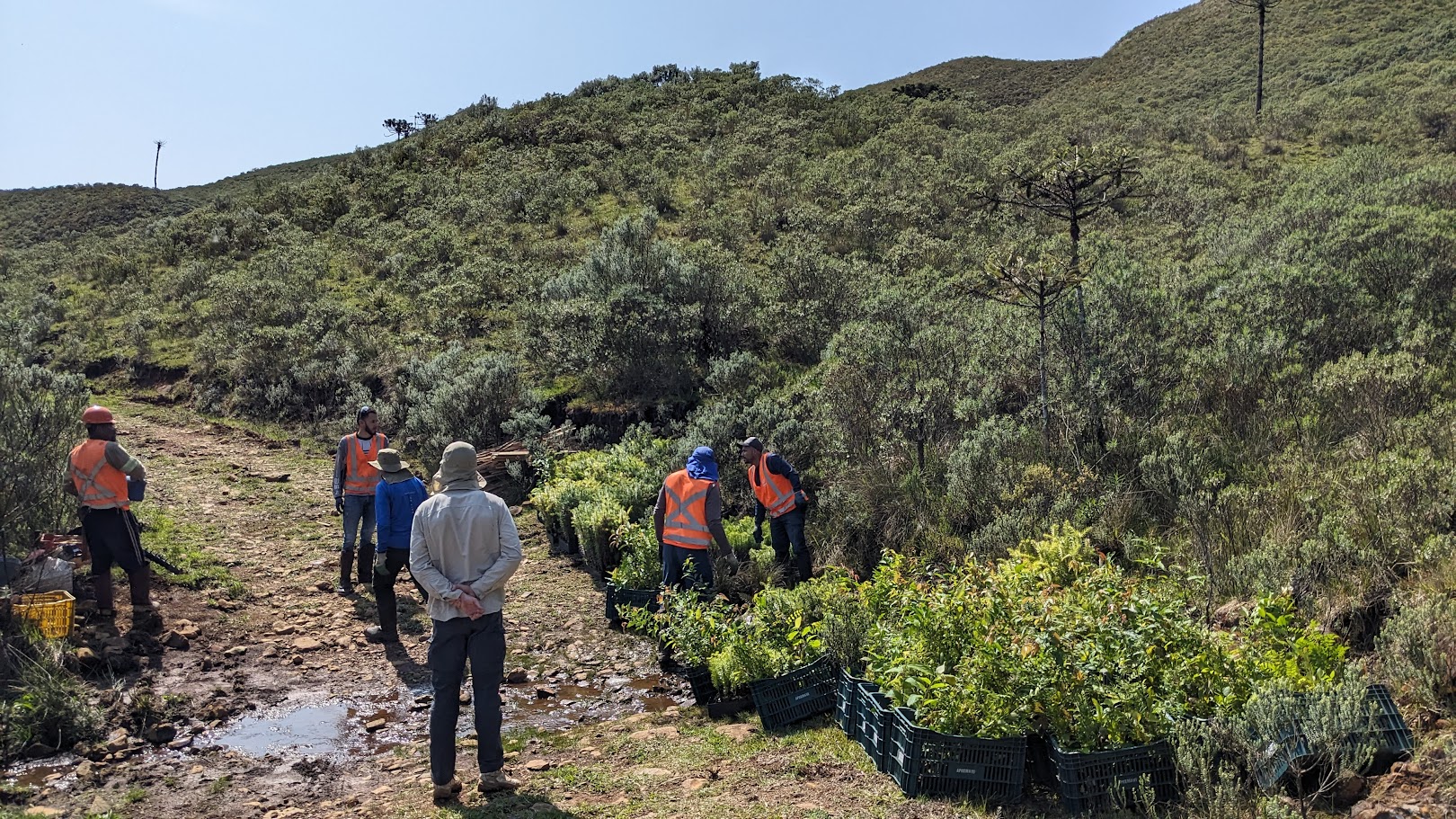
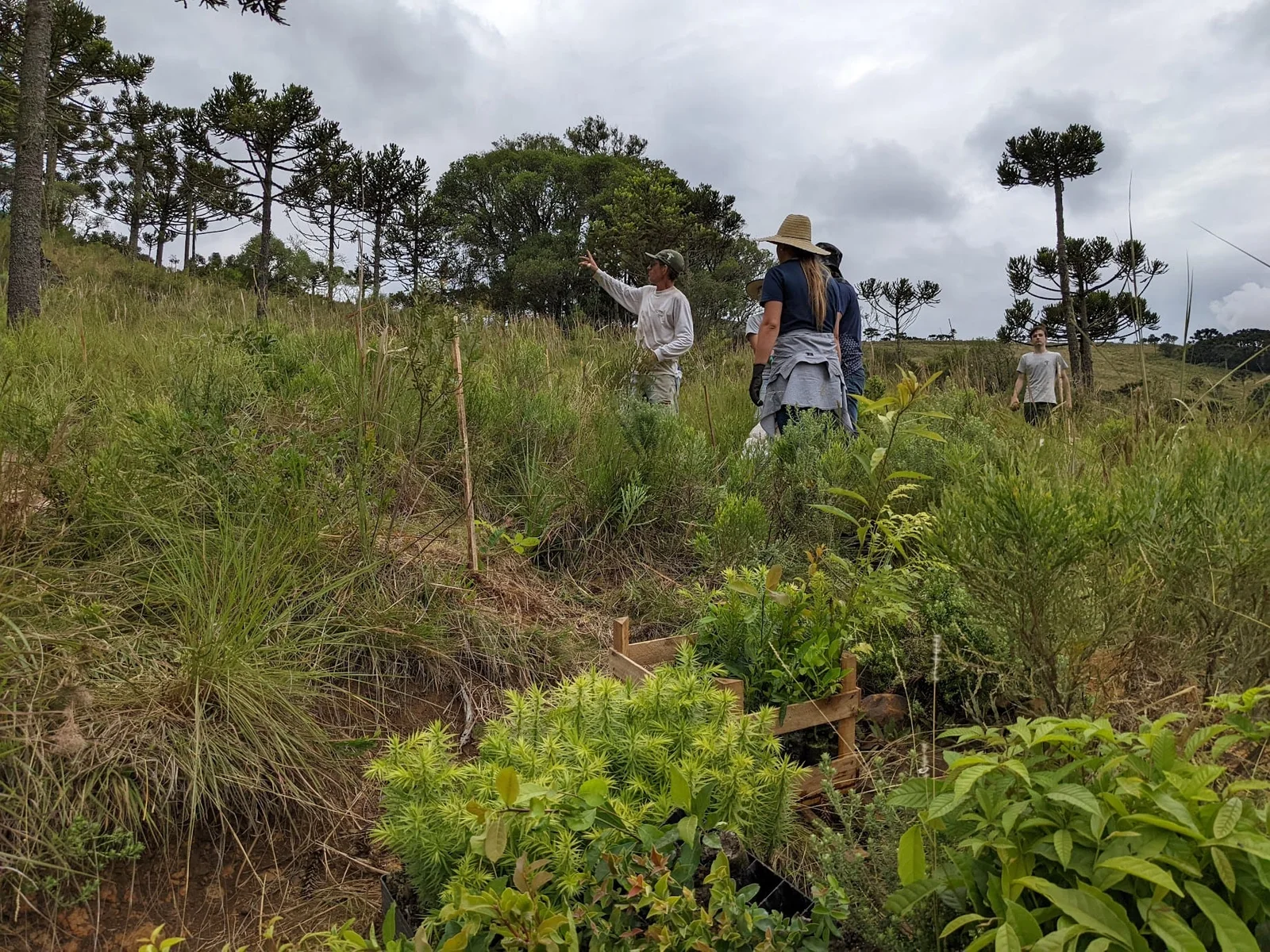
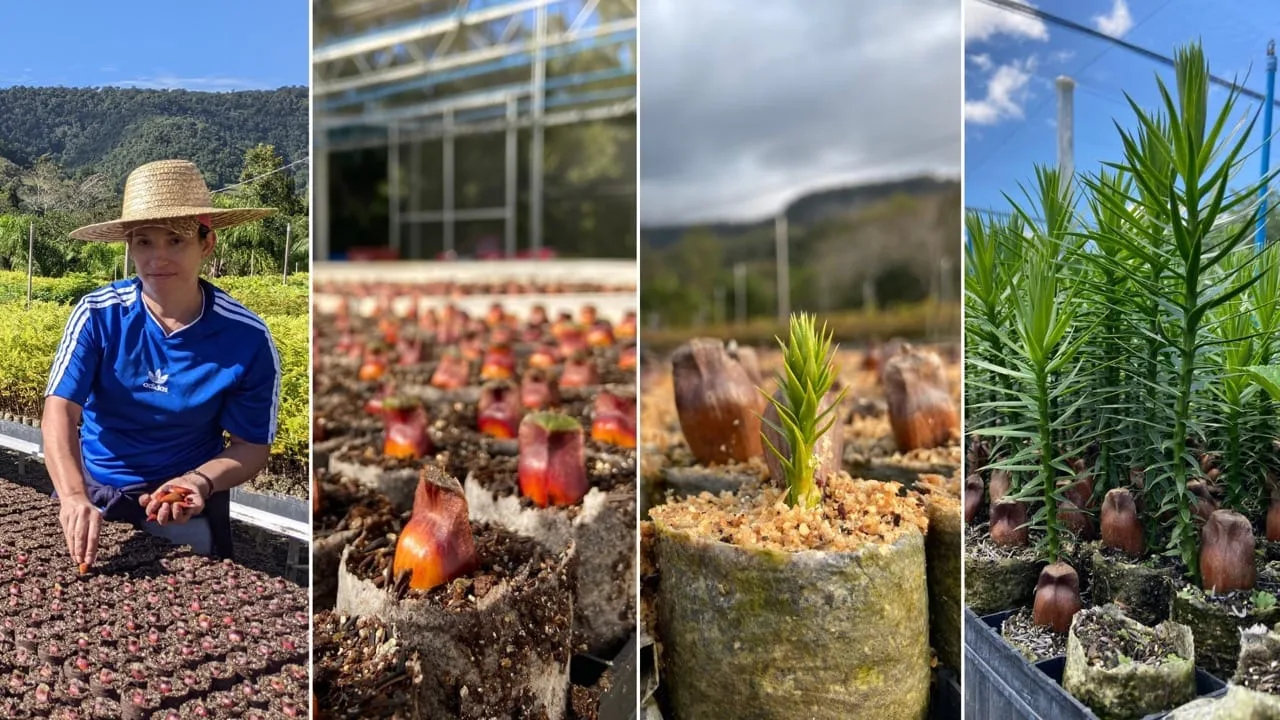
Overview
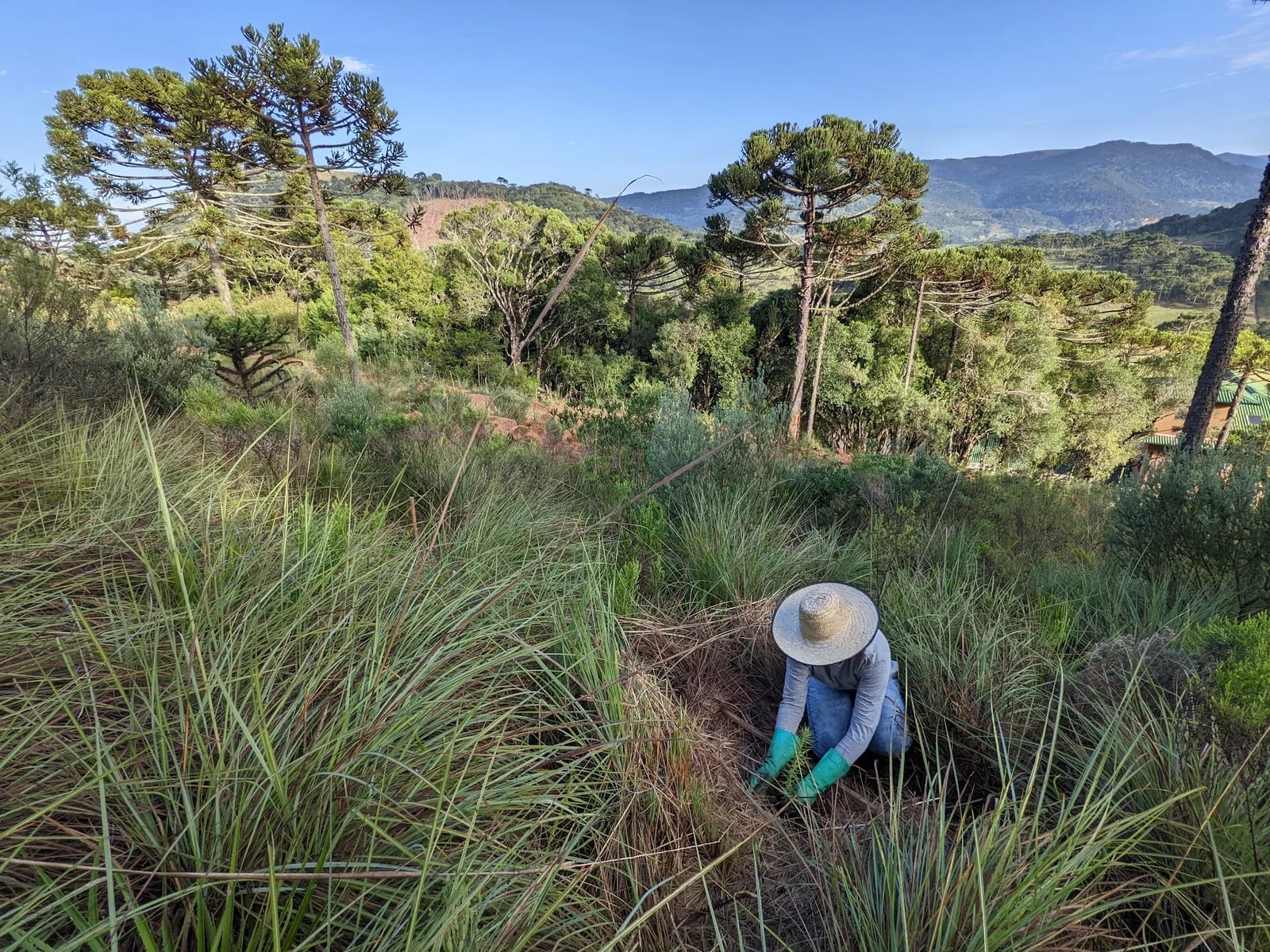
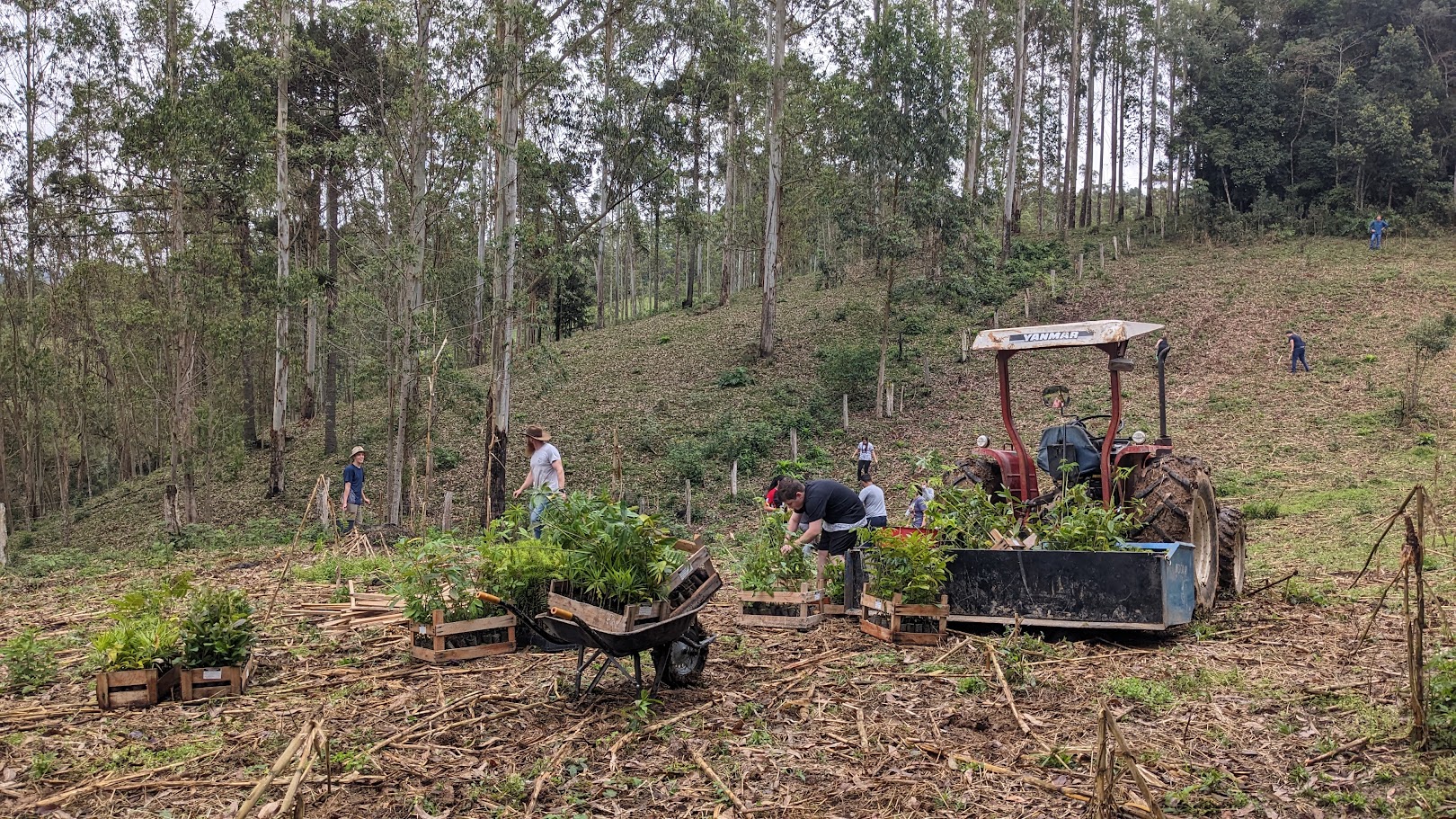
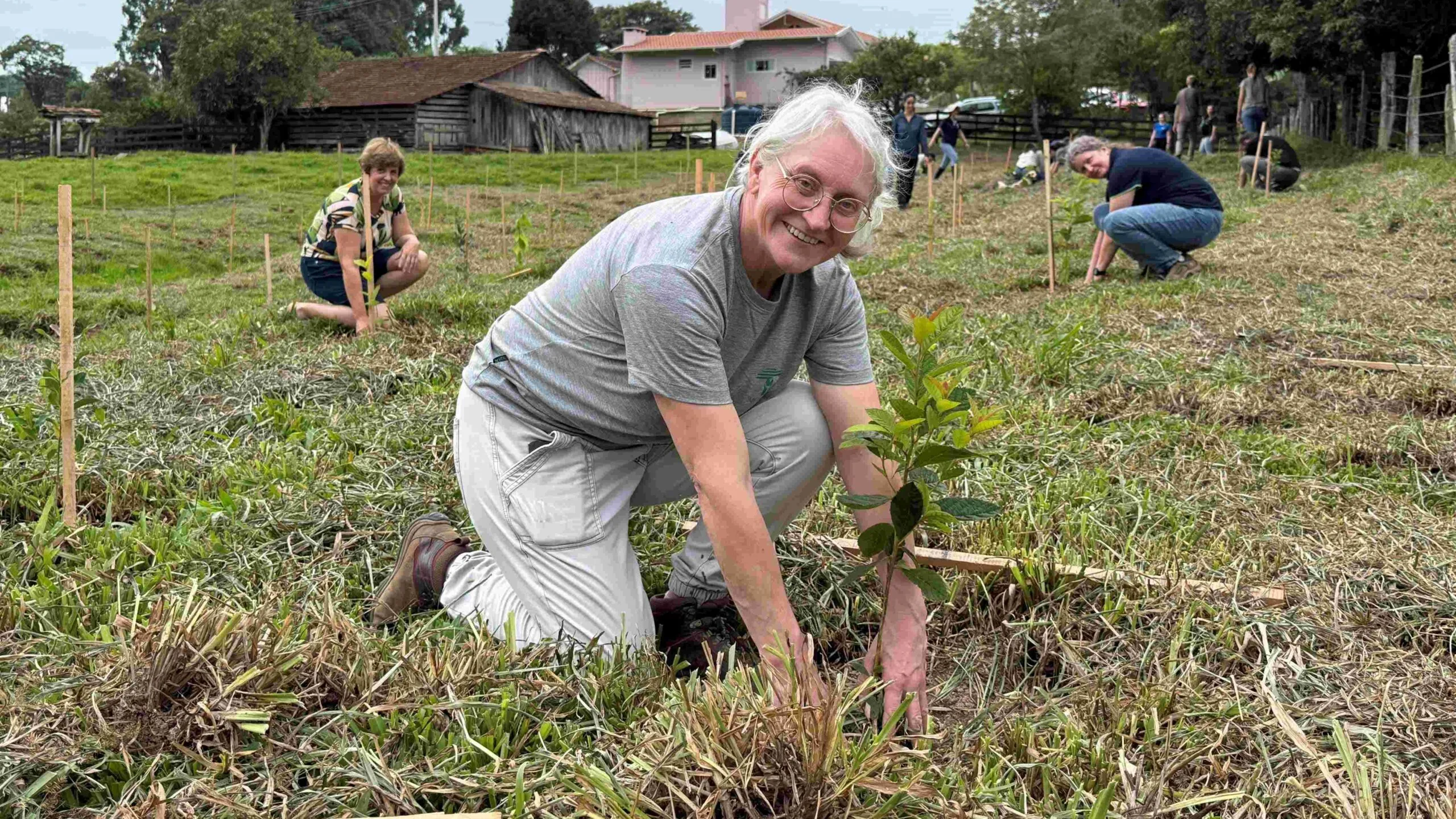
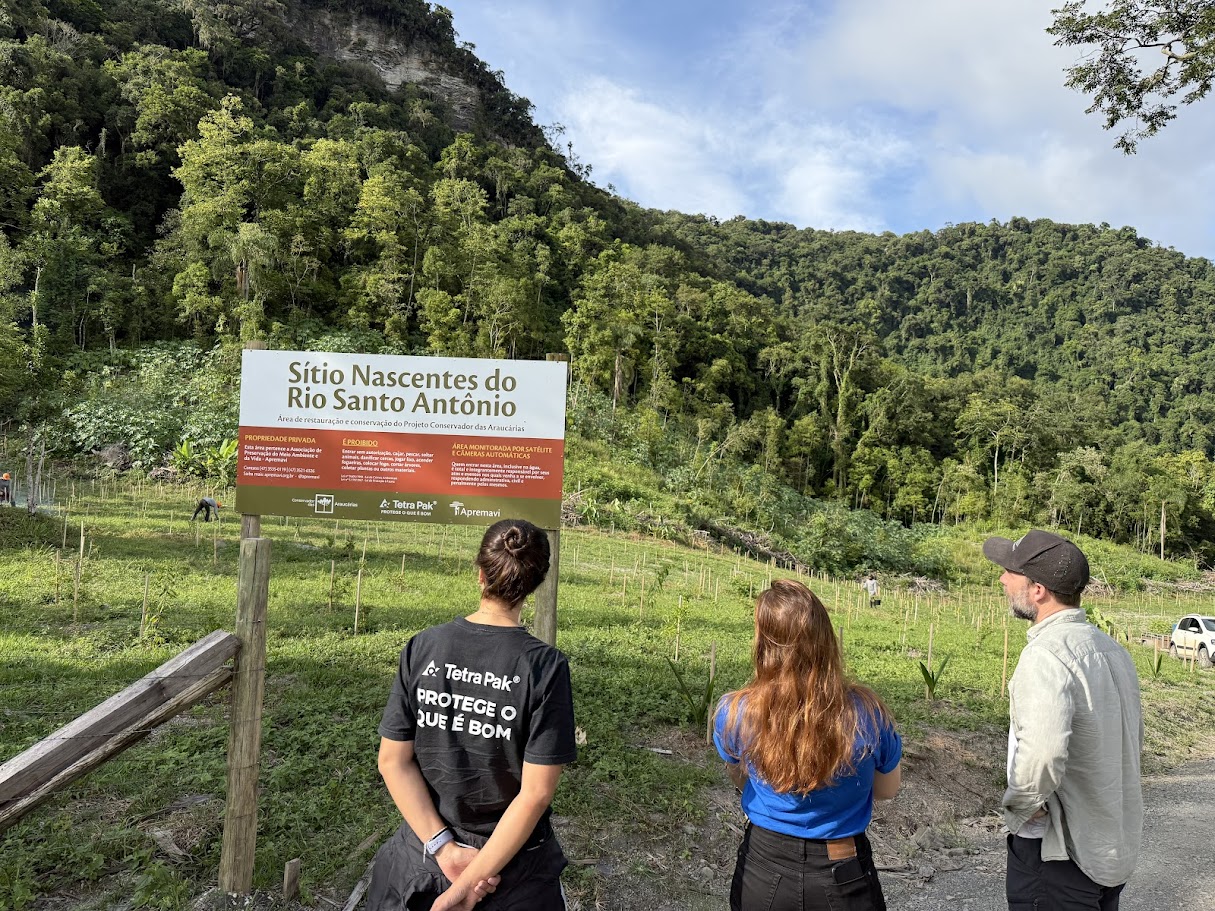
Conservador das Araucárias is a project born of a partnership between Tetra Pak and Apremavi, aiming to restore 7,000 hectares of Atlantic Forest, with a focus on the Araucaria Forest. It seeks forest restoration with native species, linked to carbon sequestration, to help mitigate climate change. In addition, it promotes bringing rural properties into compliance with environmental legislation, conserving water sources, soil, and biodiversity, as well as improving the population’s quality of life.
Being implemented in the Atlantic Forest, especially in the Araucaria Forest region and its transition and contact zones, the potential areas extend across three Brazilian states: Santa Catarina, Paraná, and São Paulo.
CO2 removal will occur through the development of arboreal vegetation, by applying different restoration techniques and methods, natural regeneration, and/or ecological enrichment. The geographic scope covers ecosystems that make up the Atlantic Forest biome in Santa Catarina, Paraná, and São Paulo (Brazil), and the activities will take place on rural properties owned by Apremavi or by third parties who voluntarily agree to participate in the initiative. The process will be carried out through a partnership-based approach, seeking to strengthen a collective vision of sustainability and conservation.
Conservador das Araucárias was conceived to help mitigate the climate and biodiversity crises, with a primary focus on the Araucaria Forest, one of the most threatened forest formations within the Atlantic Forest biome worldwide. Overall, across its distribution area, which once had a substantial extent (approximately 200,000 km²) in southern and southeastern Brazil, there are very few remnants of the original vegetation (ranging from less than 1% to 5%), which are highly fragmented and subject to varying degrees of alteration. These areas have largely been replaced by small and medium-sized rural properties (1–150 ha), where short and long-cycle agricultural crops/or low-productivity pastures predominate, or by urbanized areas.
Project Details
Apremavi
- Regional NGO
Tetra Pak
Adaptive management
Describe adaptive management processes and mid-course corrections taken to address unforeseen challenges and improve outcomes in each of the following categories:
https://apremavi.org.br/projetos/conservador-das-araucarias/
- Implementation activities ongoing, including aftercare, maintenance, and adaptive management
- UN Sustainable Development Goals
- Paris Climate Agreement
- Convention on Biological Diversity targets
- Bonn Challenge
- Other (please provide details)
2022-02-21
2030-12-31
- USD 50-100 million
- Private companies, landowners
- Expected ecological or biodiversity benefits
- South America
- Brazil
- Tropical-subtropical forests biome
- Tropical-subtropical montane rainforests
- Tropical heath forests
- Tropical subtropical lowland rainforests
- Project overlaps with a Key Biodiversity Area
- Project includes an ecosystem designated as threatened by the Red List of Ecosystems
- Ownership private individual
- Use individual
- Flood
- Drought
- Animal stampede
- Climatological
- 5000-20,000 ha / 50-200 km2
- 5000-20,000 ha / 50-200 km2
- Deforestation
- Other forms of ecosystem destruction
- Climate change
- Large-scale disturbance or natural disaster (wildfire, tropical cyclone, flooding, drought)
Planning and Review
- Core team has high-level experience (e.g., >5 years, >5 projects) with similar projects (i.e., similar ecosystem, similar restoration approach or techniques)
- Project team includes partner experts in key areas (e.g., restoration ecology, social science, engineering, prescribed fire, invasive species, seed-based restoration)
- Project accesses knowledge from government extension services, collaborating nonprofit or community organizations, or academia.
- Created planning tool (please provide details)
- UN Decade on Ecosystem Restoration Principles
- TNC Restoration Guidelines for Shellfish Reefs
- Other published planning tool (please provide details)
- SER Ecological Restoration Principles and Standards
- IUCN Review Protocol for Biodiversity Net Gain
- IUCN ROAM (Restoration Opportunities Assessment Methodology)
- Preferred by Nature Ecosystem Restoration Field Verification Standard
https://portalambiental.apremavi.org.br/
- Stakeholder review
- Assessment of local and regional context to facilitate alignment of project goals and objectives with factors operating at the landscape/seascape scale.
- Large-scale spatial planning to maximize net gain for biodiversity, ecosystem integrity, and human wellbeing.
Goals and Objectives
YES
- Degradation drivers and threats
- Landscape context and spatial analysis (e.g. the relation of the site to its surrounding landscape or aquatic environment, potential for beneficial ecological exchanges, opportunities to integrate the project with local and regional conservation and sustainability goals and priorities)
- Site tenure and security
- Ecosystem or vegetation structure (e.g. canopy layers, trophic relationships, special mosaics)
UNSURE
YES
- Climate: Mitigation (e.g. carbon sequestration)
- Water: Quantity
- Biodiversity: Connectivity
- Biodiversity: Protection
- Ecosystem: Integrity
- Ecosystem: Extent
- Ecosystem: Functionality
- Soil: Quality
The Conservador das Araucárias, a grouped project, will generate positive impacts in three dimensions:
- Environmental: The restoration of altered areas and the improvement and conservation of forest remnants will contribute to the recovery of native vegetation, which provides food, shelter, and breeding grounds for local fauna, and supports the maintenance and quality of hydrological flows and other ecosystem services. By applying ecological restoration techniques that seek, as far as possible, to return vegetation to its original condition, the project also enables diversification of the landscape matrix, fostering a more harmonious distribution between areas of direct human use and natural areas.
- Social: Restoration and monitoring activities require specific knowledge and labor, creating opportunities for technical learning, jobs, and income for local community groups, which will be prioritized. The project can support the development of local value chains, such as seedling production and ecotourism, depending on the conditions encountered and the landscape’s potential.
- Climate: The removal of carbon from the atmosphere through the project’s activities will help mitigate climate change. In addition to serving as an important carbon sink, the developing forest also helps to lessen other impacts caused by climate change, for example by improving the maintenance of microclimatic conditions that provide greater local thermal comfort during periods of intense heat.
Stakeholder Engagement
YES
- Individuals
- Local communities
- National government
- Local government
- Local community groups and nonprofits (civil society)
- Global corporations
- Small and local business
- Regional business
- State and provincial government
- Political engagement strategy in place
- Plans to develop stakeholder capacity in place
- The restoration project is defined from an ecological, social and economic point of view
- Local communities
- Women and girls
- Youth
- Prior
- Not applicable
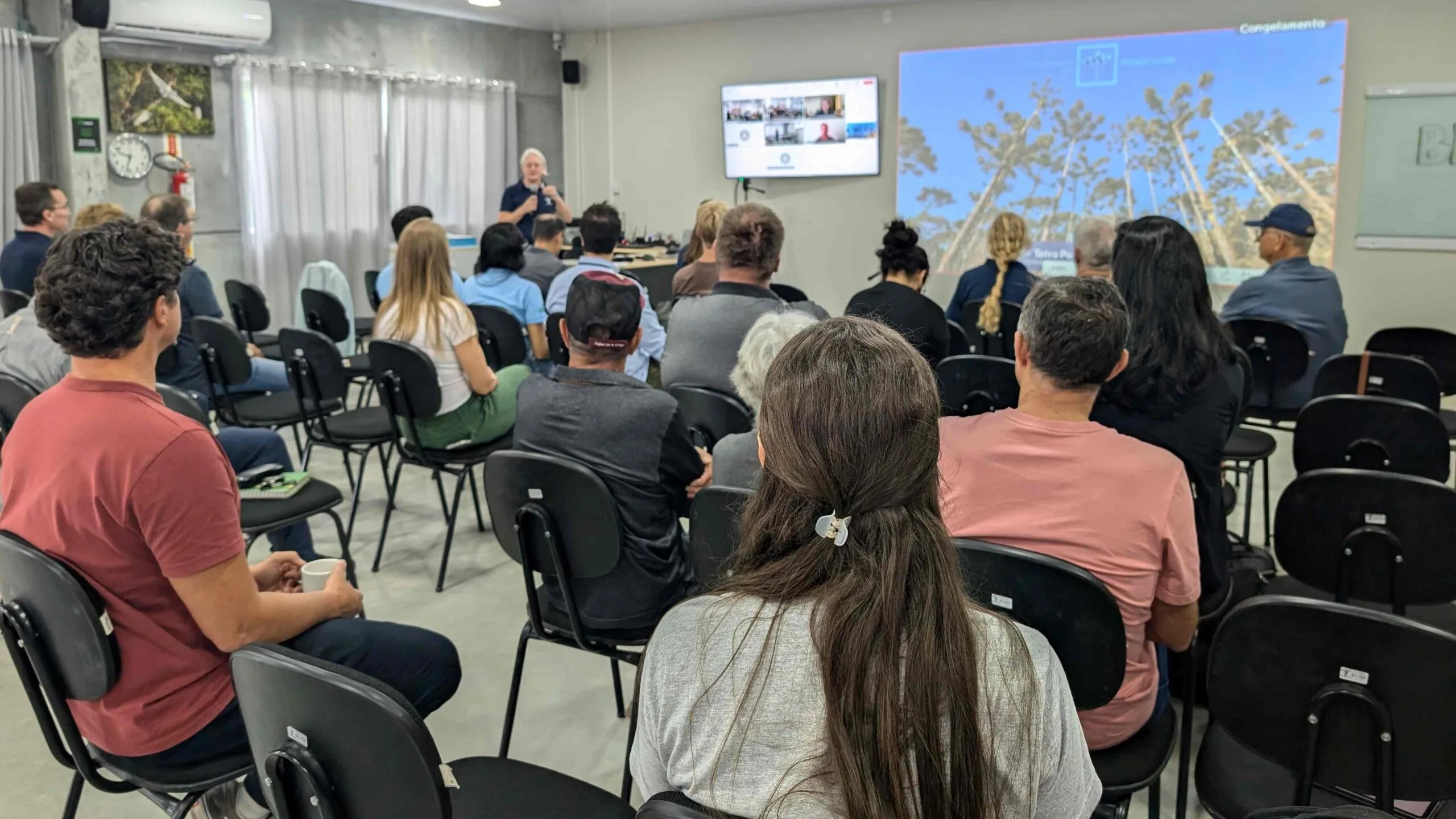
Conservador das Araucárias has established a governance structure composed of three groups: the Executive Group (GE), the Oversight Group (GA), and the Transparency and Outreach Group (GTD). Participation in the Executive Group is evenly shared between Apremavi and Tetra Pak, and its meetings are held monthly. The Oversight Group consists of the Executive Group and representatives from organizations invited to take part in quarterly meetings that discuss the Project’s progress and bottlenecks. Members of this group include Apremavi, Tetra Pak, and representatives from The Nature Conservancy Brazil, Conservation International Brazil, and Klabin. The Transparency and Outreach Group holds annual meetings to disseminate the Project’s results and foster engagement with the Atlantic Forest restoration community. This group is composed of the GE, the GA, and representatives from educational institutions and universities; local, state, and federal government; companies; and other civil society organizations. This governance model was created to enhance the Project’s transparency.
Ecosystem Activities and Approaches
- Ecological restoration
- Facilitation of natural recovery (e.g. elimination of source of degradation, reinstatement of natural or semi-natural disturbance regimes)
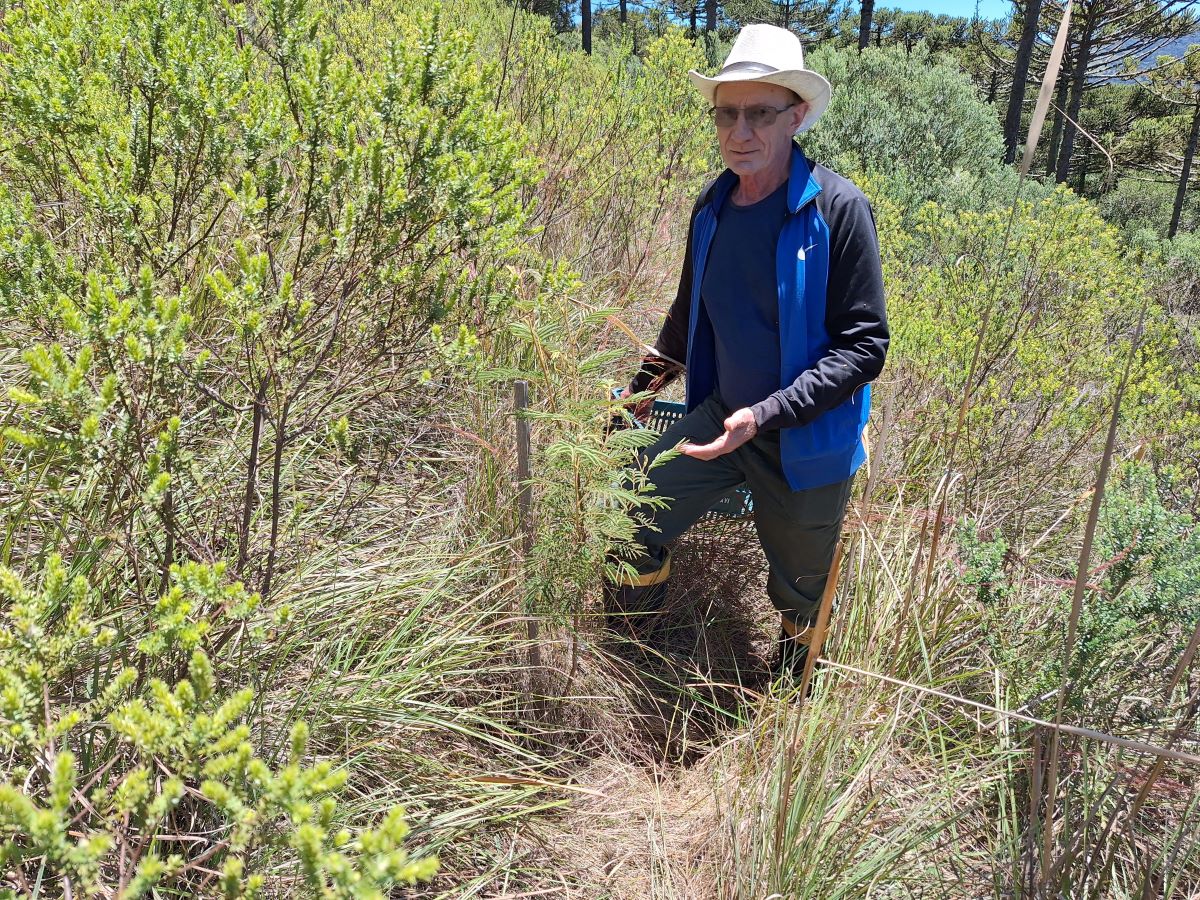
- Assisted natural recovery with planting, seeding, or faunal introductions (e.g. enrichment planting or seeding; farmer assisted natural regeneration; rewilding)
- Restoration of vegetation cover and ecosystem structure
- Increase in legal ecosystem protection (e.g. establishment of additional protected areas or conservation easements)*
- Tree planting
- Grazing management (e.g. control of native grazer populations; reductions, removal, or exclusion of nonnative grazers)
- Elimination of sources of degradation (e.g., protection from overhunting, overharvesting, overfishing, or poaching; reestablishment of characteristic hydrology including dam removal and streambank repair; protection from uncharacteristic fire)
- Direct seeding or dibbling
- Mix of native species
- Local supplier
- Native species - regionally sourced
- 21 - 50
- Tubers, corms, divisions, rooted cuttings
- Seeds, eggs
- Hand watering
- Weed control, mechanical (e.g., mowing)
- Fertilization, inorganic
- Fire prevention
- Replacement of dead plants
- Reseeding
Project Outcomes
- Yes
Monitoring and Data Sharing
YES
- The monitoring program was planned while the restoration project or program was designed, rather than after implementation
- The monitoring program is or was adequately resourced
- The monitoring program has the proper timing, frequency, and duration so that lessons learned can be applied to adaptive management
- Monitoring questions are directly linked with restoration objectives
- The monitoring plan include an evaluation the efficacy of the monitoring program itself
- 5-10 years
- Individual
- Nonprofit organization
- Independent certifying or monitoring body
- Nonprofit organization
- Photo points or other photo documentation
- Counts of individuals of introduced plants or animals
- Species abundance and composition, both native and nonnative
- Ecosystem structure (e.g. canopy height and strata)
- Collection of economic data (e.g. costs, income, production)
- Drone data collection
- Remote sensing
- Private companies, landowners
- Stakeholder meetings or workshops
- Stakeholder indirect communication (email or mail)
- Reports to donors or funding agencies
- Reports to public or other grey literature
- Conference presentations
- Project or organization website
- Global websites (e.g. SER Restoration Resource Center, Restor)
- Film
- Newsletters
- Social media
- In an internal report
- On own or collaborator’s website
- In an external self-published report
- On another website (please provide details)
https://portalambiental.apremavi.org.br/
Long Term Management
- Extension or new phase of project
Carolina Schaffer
+554735350119
Apremavi's vice-president
Atalanta